
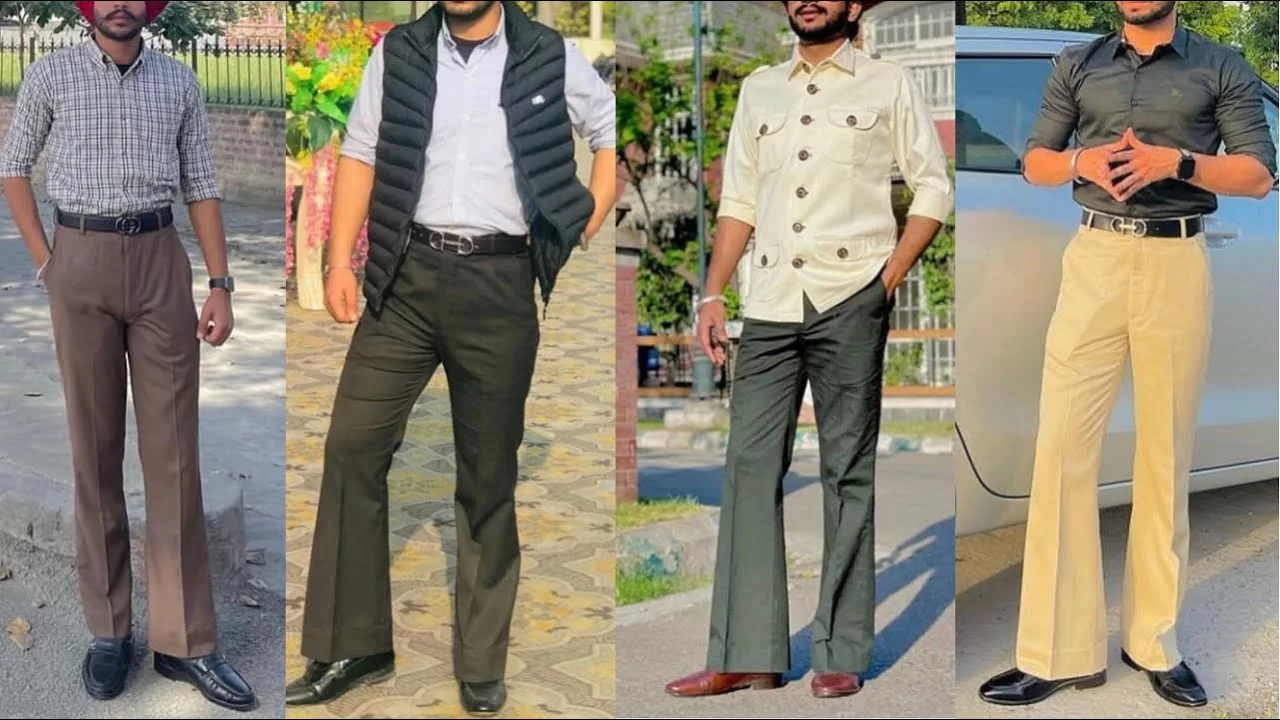
Clothing Industry: Growth, Trends, and Future Opportunities
The clothing industry is one of the most dynamic and rapidly evolving sectors in the global economy. From traditional garments to modern fashion innovations, the clothing industry plays a crucial role in shaping lifestyles, culture, and business opportunities. Over the years, the has transformed significantly due to technological advancements, changing consumer preferences, and globalization. In this SEO-friendly post, we will explore the structure, growth, trends, and future scope of the in detail.

Introduction to the
The refers to the sector involved in the design, production, distribution, and sale of garments. It includes everything from raw material sourcing to finished apparel sold in retail stores and online platforms. The is closely linked with the textile and fashion industries, making it a vital part of the global economy.
In countries like India, the is a major source of employment and contributes significantly to GDP. With increasing demand for fashionable and affordable clothing, the clothing industry continues to expand across both urban and rural markets.
Structure of the Clothing Industry
The clothing industry operates through a well-defined structure that includes several stages:
1. Raw Material Production
This is the first stage where fibers such as cotton, wool, silk, and synthetic materials are produced. The quality of raw materials directly impacts the final product in the
2. Textile Manufacturing
In this phase, raw fibers are converted into fabrics through processes like spinning, weaving, and knitting. Textile manufacturing forms the backbone of the clothing industry.
3. Garment Production
Designers and manufacturers create clothing items based on market trends. This stage involves cutting, stitching, and finishing garments.
4. Distribution and Retail
Finished products are distributed through wholesalers, retailers, and e-commerce platforms. The rise of online shopping has revolutionized the clothing industry.
Importance of the Clothing Industry
The industry is important for several reasons:
- Economic Contribution: It generates billions in revenue globally.
- Employment Generation: Millions of people work in the clothing industry worldwide.
- Cultural Expression: Clothing reflects traditions, identity, and lifestyle.
- Innovation Driver: The clothing industry constantly evolves with new designs and materials.
Latest Trends in the Clothing Industry
The is constantly changing. Here are some major trends shaping the market:
1. Sustainable Fashion
Sustainability is becoming a key focus in the . Brands are adopting eco-friendly materials and ethical production methods to reduce environmental impact.
2. Fast Fashion
Fast fashion allows brands to quickly produce trendy clothing at affordable prices. However, it also raises concerns about waste and sustainability in the
3. Digital Transformation
Technology has transformed the From AI-based design tools to virtual try-ons, digital innovation is enhancing customer experience.
4. E-commerce Growth
Online shopping platforms have expanded the reach of the Customers can now explore global fashion trends from the comfort of their homes.
5. Customization and Personalization
Consumers are demanding unique clothing options. The clothing industry is responding by offering personalized designs and custom-fit garments.
Challenges in the Clothing Industry
Despite its growth, the faces several challenges:
- Environmental Concerns: Pollution and waste are major issues.
- Labor Issues: Fair wages and working conditions remain concerns.
- Market Competition: High competition makes it difficult for new brands to survive.
- Supply Chain Disruptions: Global events can affect production and distribution.
Addressing these challenges is essential for the sustainable growth of the
Opportunities in the Clothing Industry
The clothing industry offers numerous opportunities for entrepreneurs and businesses:
1. Start Your Own Clothing Brand
With the rise of social media, starting a clothing brand has become easier. Many small businesses are successfully entering the
2. Online Selling
E-commerce platforms like Shopify and Amazon provide opportunities to reach a wider audience in the
3. Sustainable Products
Eco-friendly clothing is in high demand. Businesses focusing on sustainability can gain a competitive edge in the
4. Export Business
India is a major exporter of garments. Entering the export market can be highly profitable in the.
Future of the INDUSTRY
- Increased Use of Technology: AI and automation will improve efficiency.
- Sustainable Practices: More brands will adopt eco-friendly production.
- Global Expansion: Emerging markets will drive growth in the clothing industry.
- Smart Clothing: Wearable technology will create new product categories.
As consumer awareness increases, the clothing industry will need to balance fashion, affordability, and sustainability.
Conclusion
The clothing industry is a powerful and ever-growing sector that influences both the economy and society. From traditional craftsmanship to modern digital platforms, the clothing industry continues to evolve with changing trends and consumer demands. While challenges exist, the opportunities in the are vast for those willing to innovate and adapt.
Whether you are an entrepreneur, investor, or fashion enthusiast, understanding the can help you make informed decisions and stay ahead in this competitive market.